Base Editing Clinical Trials Usher in New Era for Genetic Medicine
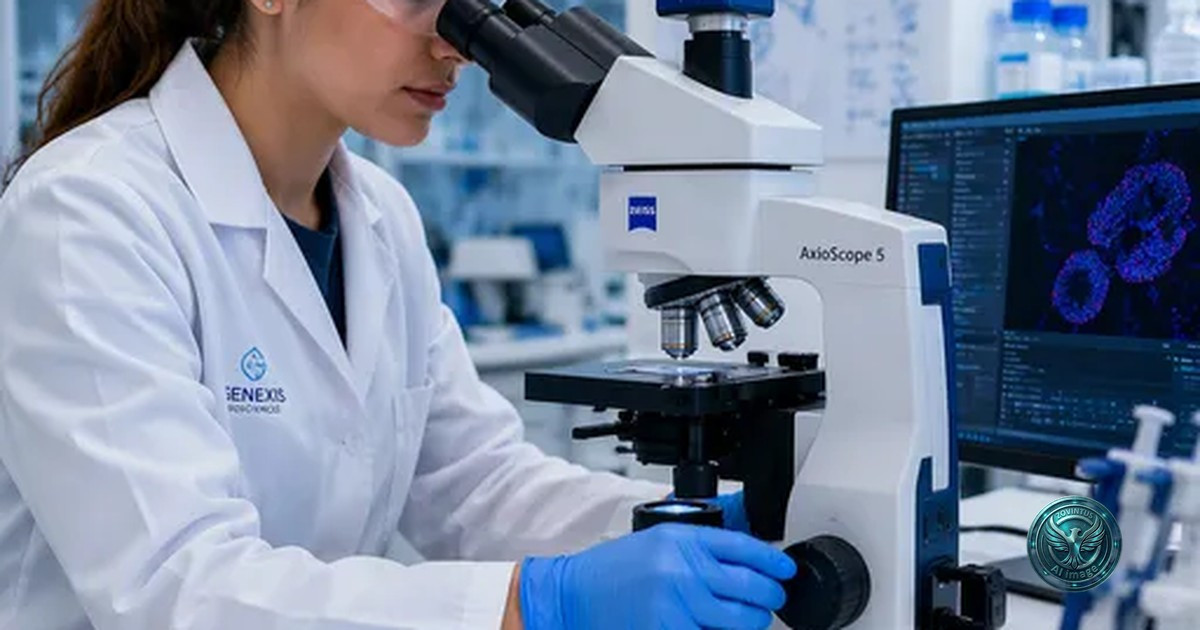
In the quiet laboratories of major academic medical centers and within the R&D hubs of pioneering biotechnology firms, a fundamental shift is underway in how humanity approaches genetic disease. For decades, the therapeutic horizon for inherited disorders was dominated by palliative care or, more recently, gene addition therapies that delivered functional copies of genes via viral vectors. While these approaches yielded historic victories, they carried inherent risks, including the potential for insertional mutagenesis—where a newly delivered gene disrupts a healthy part of the genome—and limited control over the level of gene expression. Today, a more precise molecular instrument is rewriting the clinical landscape: base editing.
Unlike traditional CRISPR-Cas9 systems, which act as molecular scissors by creating double-stranded breaks in DNA, base editors function more like a sophisticated word processor. Developed by researchers at the Broad Institute and Harvard University, these precision tools chemically convert a single DNA letter—a nucleotide base—into another without cutting the sugar-phosphate backbone of the genome. This distinction is clinically profound. By avoiding double-stranded breaks, base editors significantly reduce the risk of large-scale chromosomal deletions, translocations, and p53 activation, hazards that have historically complicated the clinical translation of older gene-editing modalities.
Recent clinical data released from early-phase trials targeting severe hypercholesterolemia and inherited blood disorders have provided the scientific community with its first robust look at the technology's performance in human patients. According to findings published in leading peer-reviewed journals, in vivo base editing administered via lipid nanoparticles successfully deactivated the PCSK9 gene in patients with heterozygous familial hypercholesterolemia, leading to a sustained reduction in low-density lipoprotein cholesterol. Similarly, trials focusing on hemoglobinopathies, such as sickle cell disease and beta-thalassemia, have demonstrated the ability of base editors to reactivate fetal hemoglobin production by precisely modifying regulatory sequences in hematopoietic stem cells.
Dr. Elena Rostova, a clinical geneticist and principal investigator in molecular therapeutics at the Metropolitan Institute of Health, notes that the implications extend far beyond these initial indications. "What we are observing in these early trials is not merely a incremental improvement in gene therapy, but a paradigm shift from treating symptoms to systematically correcting the typographical errors of our genetic code," Dr. Rostova explains. "The precision we are achieving in living human tissue was considered theoretical just seven years ago."
However, the transition from bench to bedside has not been without rigorous scrutiny from regulatory bodies such as the United States Food and Drug Administration (FDA) and the European Medicines Agency (EMA). Because base editors introduce permanent modifications to the human genome, regulatory frameworks demand unprecedented levels of safety data, particularly concerning off-target editing events. While modern base editors have been engineered to minimize unintended modifications across the genome, detecting rare off-target edits requires ultra-deep whole-genome sequencing and sophisticated bioinformatics pipelines. Regulatory agencies have mandated prolonged patient follow-up periods—often spanning up to fifteen years—to monitor for any delayed adverse events or genomic instability.
The manufacturing and delivery infrastructure required for base editing also represents a monumental challenge for the healthcare sector. Most advanced in vivo base editing therapies rely on lipid nanoparticle (LNP) delivery systems, similar to those optimized during the deployment of mRNA vaccines. These LNPs must be carefully formulated to protect the fragile mRNA encoding the base editor and its guide RNA from enzymatic degradation in the bloodstream, while ensuring targeted uptake by the correct organ tissue, such as the liver or bone marrow. For ex vivo applications, where patient cells are harvested, edited in a cleanroom laboratory, and reinfused, the logistical bottlenecks mirror those of autologous CAR-T cell therapies, presenting complex supply chain and cost considerations.
From an economic perspective, the commercialization of base editing introduces complex pricing and reimbursement questions for global health systems. Single-administration therapies that offer a permanent cure for chronic, expensive-to-manage genetic diseases challenge traditional pharmaceutical reimbursement models, which are structured around ongoing drug consumption. Health economics researchers suggest that while the upfront cost of these therapies will be exceptionally high, the long-term savings realized by eliminating lifelong treatments, frequent hospitalizations, and emergency interventions could balance healthcare budgets over decades. Nevertheless, ensuring equitable global access to these advanced therapeutics remains a pressing ethical concern for policymakers.
Looking forward, the research community is already advancing toward more sophisticated iterations of the technology. Scientists are actively developing multiplex base editing, which enables the simultaneous correction of multiple genetic loci, as well as epigenetic editors that can silence or activate gene expression without altering the underlying DNA sequence at all. As clinical trials expand into broader patient populations and longer-term data accumulates, base editing stands as a testament to the convergence of molecular biology, computational precision engineering, and translational medicine, marking a definitive turning point in modern healthcare.


